What to Check on Patio Furniture Before Summer Use
Outdoor furniture often spends months sitting through rain, wind, pollen, and changes in temperature. Before the patio becomes a regular place to eat, read, or gather with friends, a calm inspection can catch small problems early. Resin furniture is valued for easy care and resistance to many outdoor conditions, but it still benefits from a careful once-over. The aim is not to make every piece look new. It is to confirm that each item is clean, stable, dry, and ready for normal use.
A good inspection works best in daylight and on a dry surface. Move each piece into an open area where the legs, joints, seat, and back can be seen from more than one angle. Avoid dragging furniture across paving, since grit trapped under a leg can scratch both the furniture and the ground. If pieces were stored in a shed, garage, or covered corner, give them time to air out before checking tight spaces. A damp cushion or a hidden pocket of moisture can change how a chair feels and ages.
Surface condition and cleanliness
Start with what can be seen and touched. Run a hand along arms, edges, and the top of the backrest. Resin surfaces should feel smooth enough for ordinary use, with no sharp burrs or rough patches that could catch clothing or skin. Small scuffs are common and usually do not affect use. Cracks, deep gouges, and brittle edges deserve more attention, especially if they appear near a joint or load point.
Cleaning comes before any real judgment about damage. Dirt can make a hairline mark look deeper than it is, and pollen or mildew can hide discoloration. A bucket of water with mild soap and a soft brush are usually enough for routine cleaning. Work gently along slats, curves, and seams, then rinse well. Do not use harsh solvents or abrasive pads on resin, since they can leave dull areas or scratch the finish. Let the furniture dry fully before stacking, covering, or placing cushions back on it.
Pay attention to areas where water may have sat. Seat panels, the join between a backrest and frame, and the underside of arms can hold grime longer than open surfaces. Moisture buildup is worth addressing because trapped dampness can support mildew and leave marks on nearby cushions. If a piece has drainage openings, make sure they are clear. If it has no obvious drainage path, tip it carefully after cleaning and allow it to drain in a safe spot.
Frame, legs, and stability
Next, check how each piece sits on the ground. Place it on a flat, firm surface and press lightly on the seat from different sides. There may be a little flex in outdoor furniture, but wobbling, twisting, or a sudden shift suggests a problem. Look at each leg and foot. Uneven wear can point to a warped frame, a loose fitting, or a spot where the furniture has been pulled rather than lifted.
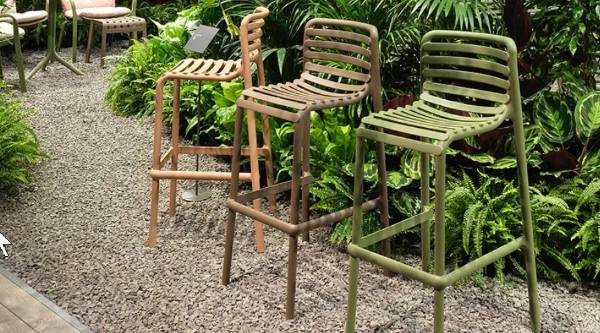
For stacking models, the condition of the legs and stack stops matters. A stack should settle neatly without forcing one piece into another. Bent parts or hardened debris can prevent a secure fit, which can make moving or storing the chairs awkward. Check the stacking capacity noted for the model if that information is available, and avoid assuming that every piece from the same setting stacks in the same way. Shape and hardware details can differ across collections.
One useful check is to compare matching pieces. When several chairs share a design, one that sits lower, leans slightly, or feels loose may have developed an issue. Side-by-side comparison makes subtle changes easier to notice. This is where resin patio chairs can be assessed fairly, since similar frames and surfaces make differences in wear or alignment more visible.
Hardware and moving parts
Not all resin furniture is built the same way. Some pieces are molded with few separate fittings, while others use screws, bolts, caps, or small connectors. Any visible hardware should look seated and secure. A missing cap can expose an edge or let water enter a joint. A loose screw can enlarge its hole over time, especially if the furniture is moved often.
Use only the basic tools suited to the fitting, and avoid overtightening. Resin can be damaged by too much force, and a stripped hole may create a bigger repair than a loose screw. If a part is cracked, warped, or no longer holds its shape, replacement parts may be available for some models. Checking part names, model details, and the condition of nearby components before seeking a match can save time. If a structural joint fails under normal pressure, stop using the piece and ask a qualified repair professional rather than relying on a temporary fix.
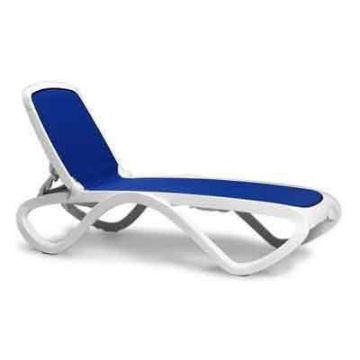
Folding or reclining pieces need a little more attention. Open and close them gently, watching for pinching points and odd resistance. They should move in a controlled way, not snap, grind, or catch. Keep fingers clear of hinges during the check. If a mechanism seems stuck, do not force it. Dirt, grime, or a displaced part may be involved, and forcing the movement can break a hinge or bend the frame.
Color, finish, and sun exposure
Look for changes in color across the whole piece rather than focusing on one mark. A surface that has faded evenly may still be perfectly serviceable. Patchy fading, chalkiness, or a rough texture can suggest prolonged UV exposure or repeated contact with a harsh cleaner. These changes are not always structural, but they can affect how furniture fits a patio design and how it appears beside pieces that aged differently.
UV exposure is a normal part of outdoor use, especially for furniture left in open sun. Rotation can help reduce uneven wear when the layout allows it. Cushions, table tops, and nearby surfaces may age at different rates, so a chair that looks slightly different from its neighbors is not always defective. The practical question is whether the surface remains smooth, intact, and comfortable.
Cushions, slings, and contact points
If seats or backs use fabric, inspect the areas that take the most contact. Check seams, edges, straps, and any place where fabric wraps around a frame. Damp fabric should be dried thoroughly before long storage or regular use. A musty smell often means the material stayed wet too long, and a quick airing may not resolve it.
Look at the points where furniture touches other objects. Chair feet can leave marks on decking, and metal or rough edges can snag fabric. Table legs near seating areas may rub against arms during normal movement. A small layout change can reduce repeated contact and make the whole setting feel easier to use.
Storage and cover condition
Before putting everything back in service, review how it was kept during the colder months. Winter storage works best when furniture is clean and dry, with enough airflow to prevent trapped dampness. Covers should fit without sagging deeply across seats, since pooled water can strain seams and leave wet spots. If covers were used, check their straps, edges, and stitching before relying on them again.
Protective covers can reduce dust and pollen, but they are not a substitute for cleaning. Covering a damp chair can hold moisture against the surface. In humid settings, periodic airing is useful even when furniture is not in use. In windy areas, a loose cover can flap against a frame and cause scuffs, so a snug fit matters more than thickness alone.
A practical order for the inspection
The checks do not need to take long, but a consistent order helps. Working from surface to structure makes it easier to spot real issues instead of reacting to the first mark that catches the eye. A simple sequence can include:
- Clean each piece, then let it dry so dirt does not mask damage.
- Check edges, joints, legs, and feet for cracks, rough spots, or uneven wear.
- Press the seat and back gently to confirm stable, predictable movement.
- Inspect hardware, caps, hinges, and any folding parts without forcing them.
- Confirm that covers, storage areas, and stacking arrangements stay dry and orderly.
After the check, set the furniture out with enough room to move safely. Chairs should pull out and return without scraping adjacent pieces. Walking paths should stay clear, especially around dining areas and poolside spaces where people may move quickly or carry items. A patio that is easy to navigate often feels more welcoming than one crowded with too many pieces.
Some issues can be handled with basic care. Loose dirt, light marks, and minor surface buildup usually respond to gentle cleaning. A cracked frame, a failed hinge, or a chair that cannot support normal weight should be set aside. Resin patio chairs are made for outdoor living, but they still have limits, and a damaged piece can fail unexpectedly under load.
The final pass is a matter of judgment. Ask whether each piece looks clean, feels stable, dries properly, and fits the way it is meant to be used. If the answer is yes, it is likely ready for another season. If something feels uncertain, pause before putting it into regular use. Careful inspection tends to be quieter and cheaper than reacting after a small problem has become a large one, and it helps the patio feel prepared without turning the morning into a major project.